

Improved Response to Immunotherapy with COVID-19 mRNA Vaccines
Published:
01/13/2026
Introduction
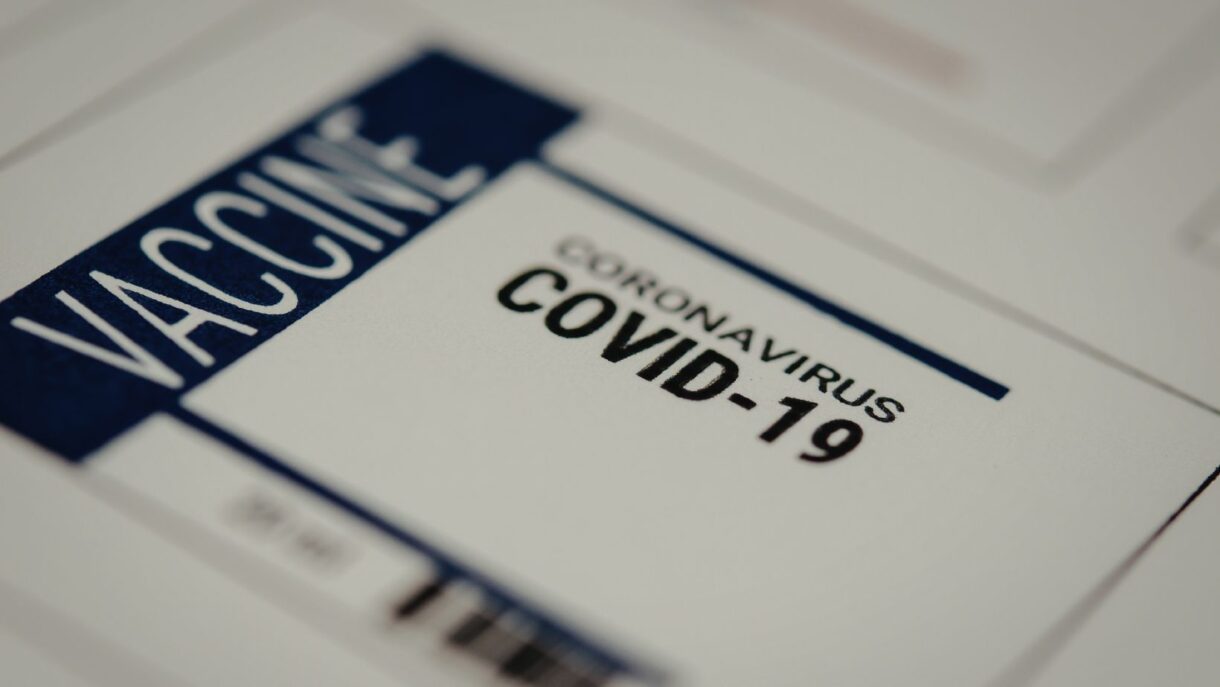
Data from a new study presented at the European Society for Medical Oncology (ESMO) meeting and published in Nature in October 2025 show that COVID-19 mRNA vaccines appear to increase the effectiveness of immune checkpoint inhibitor (ICI) therapy and improve survival. Researchers found that patients being treated for certain cancers lived longer if they had received an mRNA-based COVID-19 vaccine than if they had not received the vaccine.
Improved Survival in Patients with Advanced Non-Small Cell Lung Cancer (NSCLC)
Patients with Stage III/IV NSCLC who were being treated with ICI therapy were one group included in the study. In total, 180 patients who received a COVID-19 mRNA vaccine within 100 days of starting ICI therapy and 704 patients who did not receive a COVID-19 vaccine were compared. Median overall survival (OS) (the length of time from the start of treatment in which half of the patients are still alive) was 37.3 months in patients with advanced NSCLC who received a vaccine compared to 20.6 months in patients who did not receive a vaccine. In addition, 3-year OS (the percentage of patients alive 3 years after treatment initiation) was significantly better (55.7% versus 30.8%). The improvement in survival was similar for patients with Stage III unresectable NSCLC and Stage IV NSCLC.
Improved Survival in Patients with Metastatic Melanoma
Patients with metastatic melanoma who received a COVID-19 mRNA vaccine within 100 days of starting ICI therapy were also included in the study. In total, 43 patients who received a COVID-19 mRNA vaccine and 167 patients who did not receive a COVID-19 mRNA vaccine were compared. Median OS had not yet been reached in patients with metastatic melanoma who received a vaccine, which means that more than half the patients in a study were still alive when the study ended so the median (when 50% of patients died) could not be calculated. When compared to the median OS of 26.67 months in patients who did not receive a vaccine, this represented a significant improvement. In addition, 3-year OS was significantly better in patients who received the vaccine (67.6%. versus 44.1%). Progression-free survival (PFS) was also significantly longer in patients who received the vaccine (median PFS, 10.3 months versus 4.0 months; 36-month PFS, 39.5% versus 23.7%).
Improved Survival in Patients with Other Tumors
Survival was assessed in 888 patients who had various other cancers and who received ICIs. Patients in this group who received a COVID-19 vaccine within 100 days of starting ICI therapy experienced significantly longer survival compared to patients who did not receive a COVID-19 vaccine.
Increased PD-L1 Expression and Eligibility for and Response to ICI Therapy
Researchers also assessed PD-L1 expression in tumors from patients who received and did not receive a COVID-19 mRNA vaccine. PD-L1 expression in a tumor indicates that ICIs should be effective in the patient receiving them. Tumor Proportion Scores (TPS) are scores that are reported in the pathology report of a biopsy and used to assess the percentage of tumor cells that have PD-L1 on the surface and predict response to therapy with ICIs. The TPS ranges from 0% to 100% and a higher score often means that a patient is more likely to respond well to ICI therapy.
In this study, patients with advanced NSCLC who received a COVID-19 mRNA vaccine less than 100 days or 100 or more days before biopsy experienced increases in mean TPS compared with patients who did not receive a vaccine before biopsy. Furthermore, patients with advanced NSCLC who received a COVID-19 mRNA vaccine were 29% more likely to be eligible for ICI monotherapy when compared to unvaccinated patients. For patients with advanced NSCLC and high PD-L1 expression (TPS ≥ 50%), ICI monotherapy is typically standard of care and associated with favorable response. Combination ICI plus chemotherapy is more effective than monotherapy in patients with lower TPS (<50%); however, the toxicity is more significant. With this in mind, the finding that TPS increased in patients who received a COVID-19 mRNA vaccine supports improved outcomes with immunotherapy.
In addition to showing that there was an increase in PD-L1 expression and subsequent TPS score after receiving COVID-19 mRNA vaccines, the researchers showed that vaccination could restore immune sensitivity in patients with advanced NSCLC and immunologically “cold” tumors with low TPS scores. Importantly, survival improvements were observed in patients with these previously immunologically “cold” tumors with low PD-L1 expression that would not be expected to respond well to immunotherapy.
Conclusions
In this study, patients being treated for certain cancers lived longer if they received an mRNA-based COVID-19 vaccine compared to if they had not received the vaccine. The researchers also showed that vaccination could restore immune sensitivity in patients with tumors that were not expected to respond well to immunotherapy. These results support a potential way to improve the effectiveness of ICI therapy and suggest that it may be possible to increase the number of patients who are eligible for and respond to ICI therapy.
The results from this study show that a widely available mRNA vaccine, for COVID-19, has the potential to increase the effectiveness of ICI therapy. Future research may show that other vaccines have similar effects, and that it may be possible to design mRNA therapies specifically to increase responses to immunotherapy.
Reference
Grippin AJ, Marconi C, Copling S, et al. SARS-CoV-2 mRNA vaccines sensitize tumours to immune checkpoint blockade. Nature. Published online October 22, 2025. doi:10.1038/s41586-025-09655-y
Recent Posts

Sep. 30, 2026
Melanoma Treatment: What Happens When It’s Time for a Different Option?

Aug. 31, 2026
Women in Melanoma: A New Chapter in Europe

Aug. 31, 2026
The Legal & Financial Side of a Diagnosis: What No One Tells You

Aug. 19, 2026
Positive Phase 3 Results for Personalized mRNA Therapy in Melanoma
Aug. 07, 2026