

Featured Survivor Story:
The Importance of Self-Advocacy
by Mara Klecker
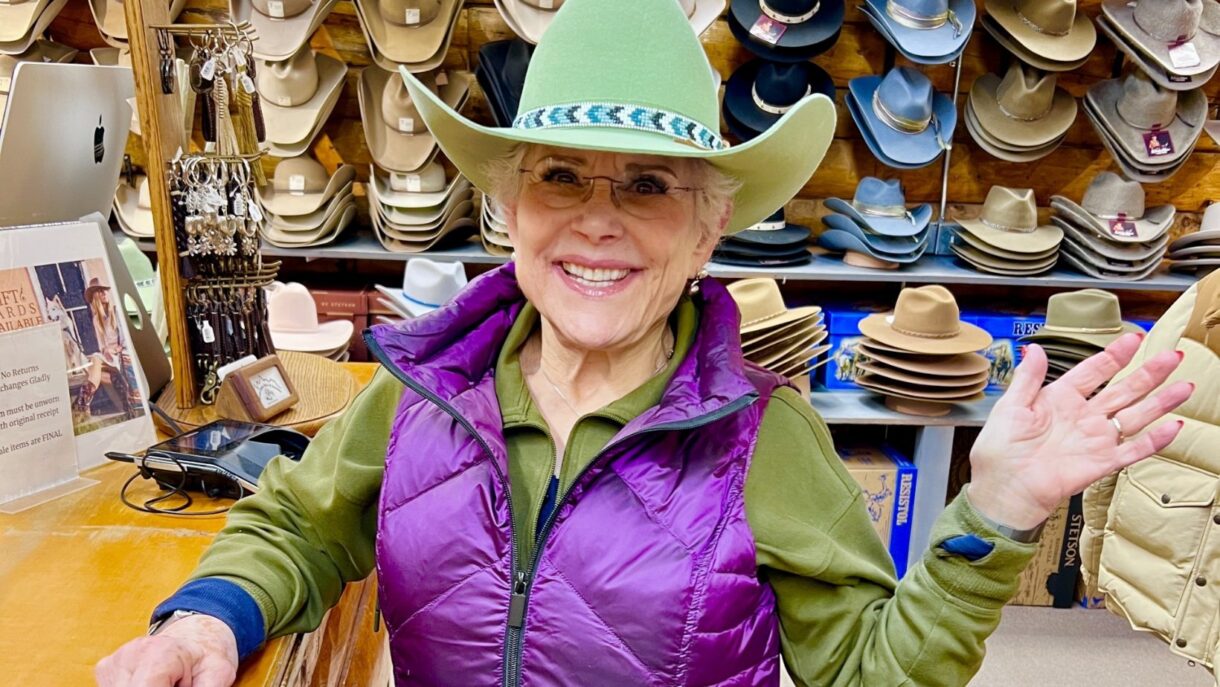
Donna Altes was in her late 70s when she received her melanoma diagnosis, which came after a long stretch of uncertainty and misdiagnoses. What began as a small growth on her heel was removed multiple times – involving painful surgeries that made it hard to walk – only to return again. Finally, a biopsy proved it was far more serious than a persistent wart.
The melanoma diagnosis forced a rapid shift in how Donna approached her care.
“I’m not sure I even understood what the word ‘melanoma’ meant then,” she said, adding that she hadn’t known to ask for a biopsy earlier. “I had never been through this before.”
Donna began researching her options, determined to become her own advocate when it came to her care and communication with doctors. She started asking questions about the specifics of her treatment. Sometimes, that meant pushing for additional testing when something didn’t feel right – a lesson she learned from not demanding a biopsy of the returning growth on her foot.
“It’s you who has to tell them what you want because you’ve done your research and due diligence,” said Donna, now 80.
After the Stage III melanoma diagnosis, Donna became more persistent in requesting biopsies of questionable skin lesions.
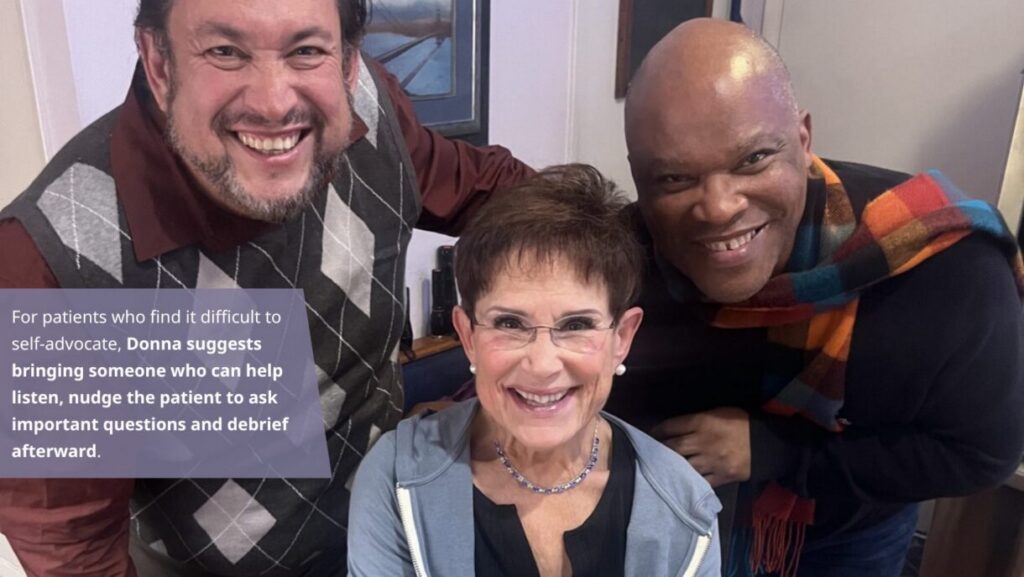
For patients who find it difficult to self-advocate, Donna suggests bringing someone who can help listen, nudge the patient to ask important questions and debrief afterward.
“It’s so important to be heard and come up with a reasonable plan of action,” she said.
A Turning Point in Treatment
Donna went through years of intensive treatments. After her Stage III melanoma diagnosis, she underwent multiple surgeries to remove the tumor from her foot, including a complex procedure that used tissue from her foot and thigh to reconstruct the bottom of her foot. In total, she had five major surgeries and nine hospitalizations in 2018 alone.
Donna said she didn’t allow her doctors to give her life expectancy estimates or survival percentages.
“With my drive and focus on a positive outcome, I believed it was going to be OK,” Donna said.
The cancer later spread to her leg, lymph nodes, organs, and brain, requiring additional procedures, including lymph node removal and targeted radiation for brain tumors. Donna also endured painful rounds of injected treatments for dozens of melanoma lesions in her leg and rounds of immunotherapy infusions every two weeks, cycling through different drugs.
“When there were no other immunotherapy drugs available to me, I pestered my oncologist to seek available trials,” she said. “I didn’t let it end there. I had to advocate for more.”
That led her and her team to TILs therapy, an intensive treatment that works by removing T cells from a patient, growing more of them in a lab, and then reinserting them into the patient’s body so they can recognize and attack the cancer cells.
The process just to qualify for TILs was extensive, involving rigorous testing to determine whether her 78-year-old body could handle the treatment.
The protocol required weeks of hospitalization and monitoring, including chemotherapy and intensive follow-up care. Altogether, it meant about five weeks away from home.
It was “many days of treatments, many days of hell,” she said.
“It was horrible but it gave me lots of hope,” Donna said, adding that her care team was surprised at how well she handled it, saying she endured the intense treatments better than some patients half her age.
Little by little, Donna’s PET scans and brain MRIs lit up less and less until 8 months after TILS, there were no lights at all.
Now 80, Donna has bone and joint issues and recently underwent shoulder surgery unrelated to her melanoma. That surgery, among others, was put on hold for eight years while she was undergoing cancer treatments.
Now, as with her melanoma journey, she’s navigating the recovery process without a live-in caregiver. Various doctors have recommended rehabilitation facilities after her major procedures, but Donna has chosen to recover at home instead. Over time, she developed a system that allowed her to remain independent while still receiving help when needed.
Friends and neighbors step in to handle specific tasks—bringing meals, helping with errands, or assisting with routines—when she’s recovering.
Finding Strength
Donna said the biggest lesson from the early part of her diagnosis is the importance of being proactive sooner.
“I just did not know enough at the time,” she said.
She now urges others to ask for clarification, request additional testing when appropriate and seek second opinions rather than relying solely on initial assessments.
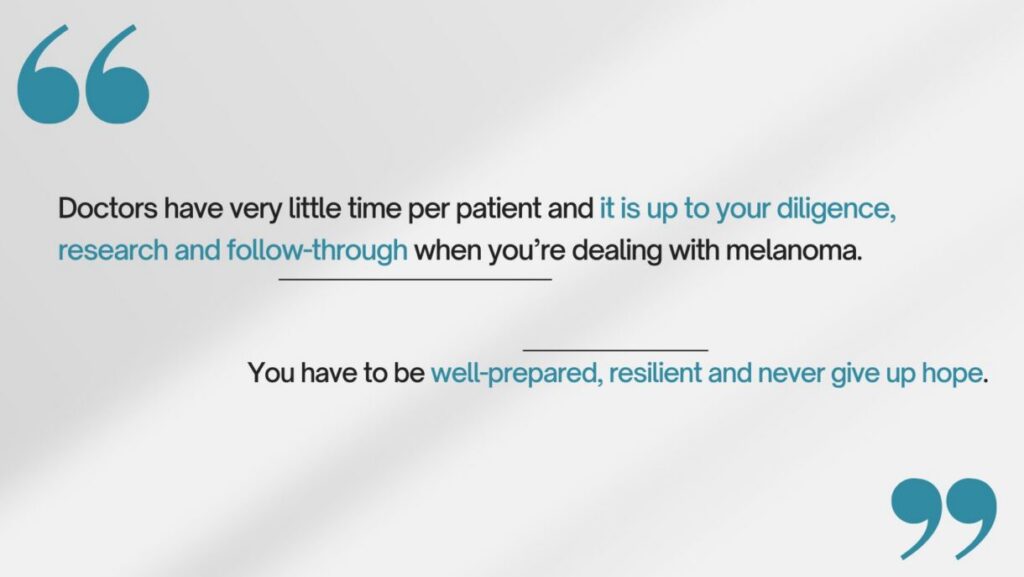
“Doctors have very little time per patient and it is up to your diligence, research and follow-through when you’re dealing with melanoma,” Donna said. “You have to be well-prepared, resilient and never give up hope.”
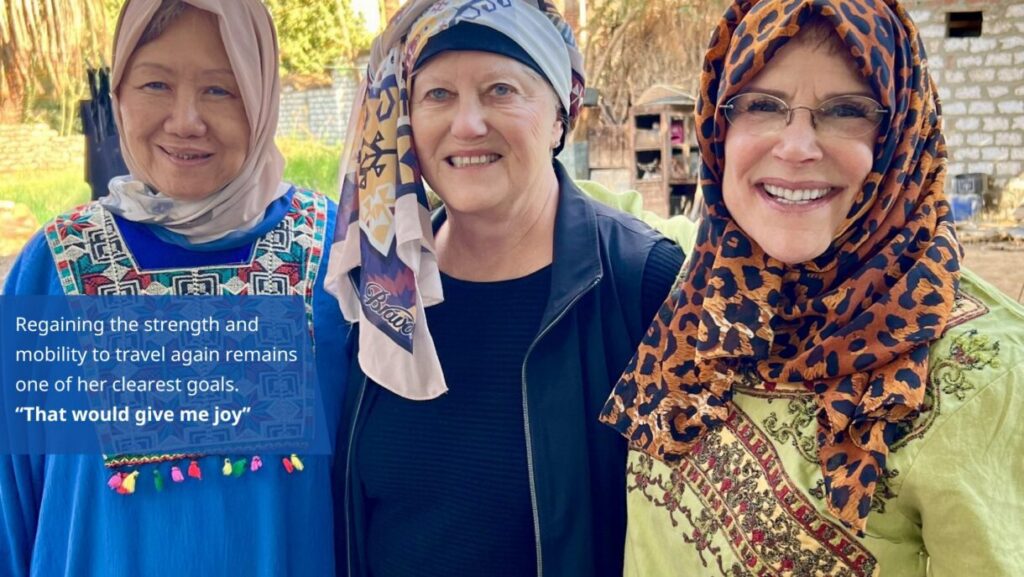
Long before her diagnosis, Donna built her life around travel. She wrote for a travel publication, sought out small-group trips with experienced travelers, and prioritized what she calls “people to people contact”—meals in homes, conversations with strangers, and more intimate community experiences.
The physical toll of treatment, along with the COVID-19 pandemic, brought that part of her life to a halt. But regaining the strength and mobility to travel again remains one of her clearest goals.
“That would give me joy,” Donna said.
Recent Posts

Aug. 31, 2026
Women in Melanoma: A New Chapter in Europe
Aug. 31, 2026
The Legal & Financial Side of a Diagnosis: What No One Tells You

Aug. 19, 2026
Positive Phase 3 Results for Personalized mRNA Therapy in Melanoma

Aug. 07, 2026
RP1 Approved: A Long Road to a New Option for Patients
Aug. 06, 2026