


Transformation after Trauma
Published:
03/14/2023
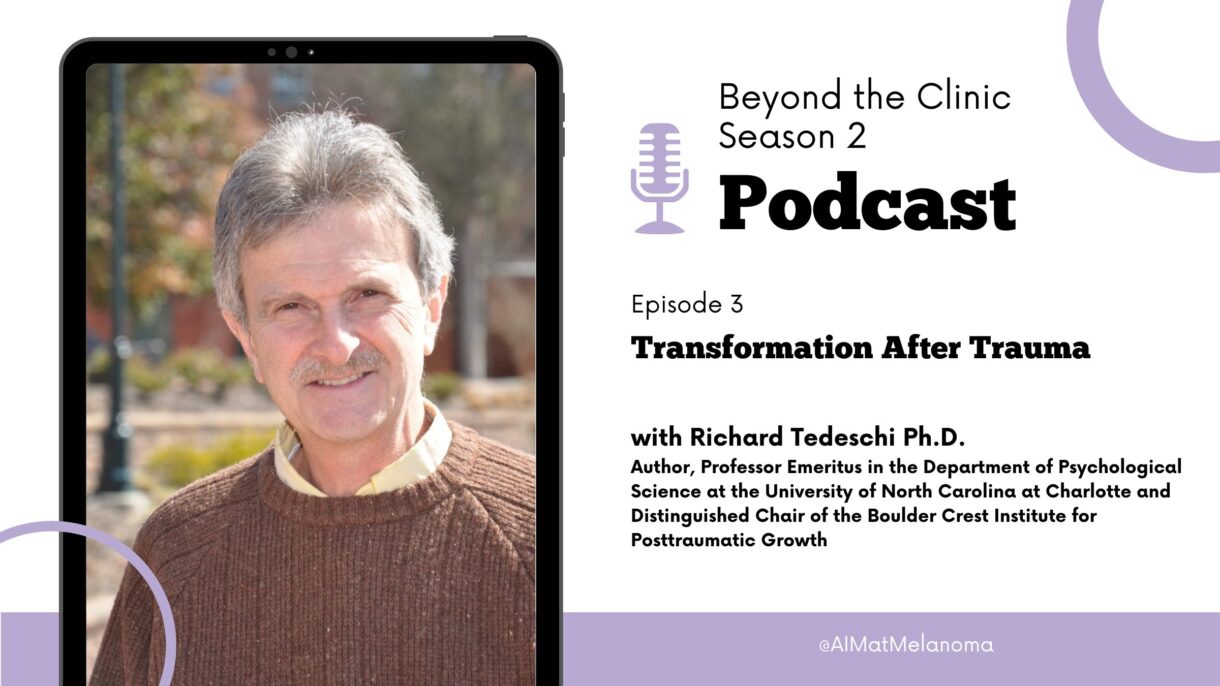
Our lives are filled with ups and downs, triumphs and tragedies, success and stress. The question is not whether we will experience difficulty, challenge, or trauma but what we will do in response to such events and experiences. In this episode, Dr. Richard Tedeschi joins us to discuss how people can grow in the aftermath of trauma and live great lives — filled with Posttraumatic Growth.
About Richard Glenn Tedeschi, Ph.D.
Dr. Tedeschi received his B.A. in Psychology from Syracuse University, his Ph.D. in Clinical Psychology from Ohio University. He completed his Clinical Psychology Internship at The University of North Carolina School of Medicine. Dr. Tedeschi is a Licensed Psychologist specializing in bereavement and trauma, is Professor Emeritus of Psychological Science at the University of North Carolina at Charlotte, and core faculty for the Health Psychology Ph.D. program. He is currently Distinguished Chair of the Boulder Crest Institute for Posttraumatic Growth, part of the Boulder Crest Foundation in Bluemont VA. He has published several books on posttraumatic growth, an area of research that he developed that examines personal transformations in the aftermath of traumatic life events. His latest books are the Posttraumatic Growth Workbook, and Transformed by Trauma co-authored with Bret Moore, of the US Army’s Warrior Resilience Program. Dr. Tedeschi serves as a consultant to the American Psychological Association on trauma and resilience. He is a recipient of the Mary G. Clarke Award for Distinguished Service to Psychology given by the North Carolina Psychological Association, and is Past President of NCPA.
Recent Posts

Sep. 30, 2026
Melanoma Treatment: What Happens When It’s Time for a Different Option?
Aug. 31, 2026
Women in Melanoma: A New Chapter in Europe
Aug. 31, 2026
The Legal & Financial Side of a Diagnosis: What No One Tells You

Aug. 19, 2026
Positive Phase 3 Results for Personalized mRNA Therapy in Melanoma

Aug. 07, 2026