

RP1 Approved: A Long Road to a New Option for Patients
Published:
08/07/2026
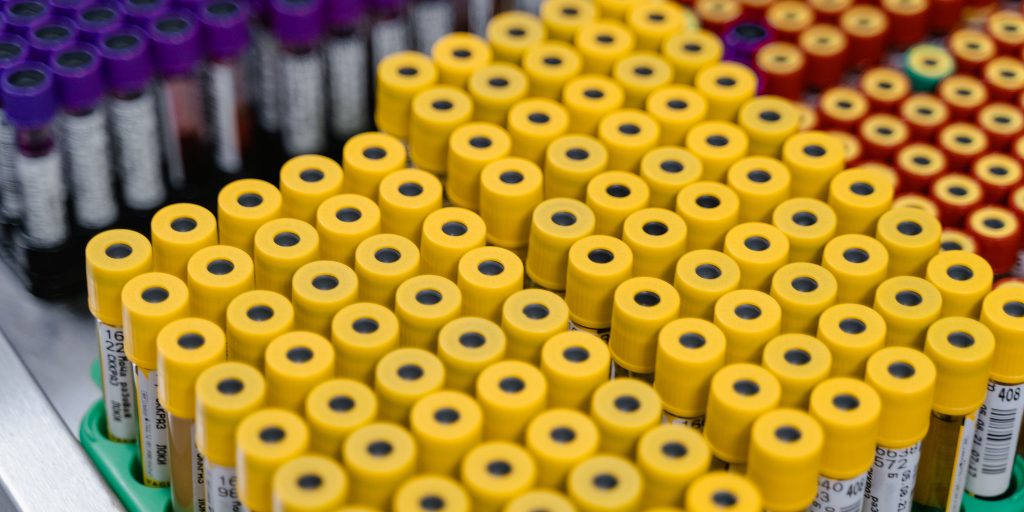
Thankfully, the third time was the charm! On August 6, 2026 the U.S. Food & Drug Administration (FDA) approved RP1 (vusolimogene oderparepvec-wtpg, also known as Tudriqev) in combination with nivolumab for the treatment of adults with unresectable advanced cutaneous melanoma who experienced disease progression on an anti-PD-1 antibody-based regimen. This treatment is approved for patients whose melanoma has continued to grow despite previous treatment with immunotherapy—a patient population in need of more treatment options.
It’s been a long road for RP1. In 2024, FDA officials granted Breakthrough Therapy designation to RP1+nivolumab, an FDA designation that is intended to expedite the development and review of drugs that treat serious conditions and show promising preliminary clinical evidence. In January 2025, the FDA accepted the Biologics License Application (BLA) for RP1 and granted priority review, based on RP1’s phase 1/2 clinical trial, IGNYTE, showing promising results that the combination of RP1+nivolumab can be effective and safe for patients who have failed to benefit from immunotherapy. Subsequently, the FDA reviewed the treatment twice, in July 2025 and April 2026, and denied it twice.
When the first denial was issued, the melanoma community—including AIM, oncologists, researchers, patients, families, and other nonprofit melanoma organizations—was baffled and disappointed. The community was equally disturbed at the second denial.
AIM led an effort with our fellow melanoma organizations to compile patient stories and urge the FDA to overturn their decisions and approve the drug. We organized three group letters to FDA, the first of which included multiple pages of patient stories to illustrate the frustration in the melanoma community about the denial of a treatment achieving an objective response rate of 32.9% for patients who have no or few other options. Oncologists, researchers, scientific media, and even mainstream media questioned the denials and pushed for approval.
AIM at Melanoma led an effort with our fellow melanoma organizations to compile patient stories for the FDA following the first Complete Response Letter and again in advance of the FDA Advisory Committee meeting on July 30. We also organized patients to share their personal experiences during the committee’s Open Public Hearing. Thank you to all of you who shared your stories, who spoke, and who helped push to get this treatment approved.
For an entire year, it was unknown whether this treatment would ever be approved. And for an entire year, AIM and many others urged the FDA to reconsider.
Why such a widespread and prolonged uproar for this one therapy? From the patient perspective, it’s simple: Many people desperately need this treatment. More than 23 people die every day in the U.S. of melanoma, and over 8,500 are expected to die this year alone. Most of those who die have failed to benefit (or failed to see a durable benefit) from immunotherapy, the very patients for whom the combination of RP1+nivolumab is intended. They have an average life span of approximately one year. In the clinical trial for RP1+nivolumab, 32.9% of these patients saw their cancer shrink or disappear entirely and 75% were alive after one year—remarkable results for this patient population. In an oral presentation at the ASCO 2026 annual meeting, RP1 plus nivolumab demonstrated exceptional durability in anti-PD-1-failed melanoma patients, with 47.8% of all treated patients alive at three years and a median overall survival of 32.9 months—including an 83.5% 3-year survival rate among responders.
The two key issues cited by FDA as the basis of the denials were attribution and heterogeneity. With respect to attribution, the question the FDA wanted answered was: Which drug should get the credit for the good results? Because patients received nivolumab as part of the study, and because all of the patients had previously received immunotherapy (nivolumab or a similar drug), the FDA was essentially asking: How do we know it’s not the previously administered or the study-administered immunotherapy that is responsible for the positive responses? Importantly, the reason patients were permitted to participate in the clinical trial is that their previous immunotherapy treatment had already been shown not to work—their melanoma continued to grow despite previous nivolumab or similar therapy. In addition, RP1 itself is not directly treating the cancer: RP1 is an engineered virus that is injected directly into melanoma tumors that causes a reaction that allows the body’s immune system and the immunotherapy to work more effectively.
The second reason FDA noted for the denials was that a patient population of limited dissimilarities is preferred in early-phase studies to minimize confounding variables, but patients in this study received varying types of immunotherapy before going on the trial. RP1+nivolumab is intended to treat people who have failed to benefit from varying other therapies, so by definition, this population is heterogenous. In addition, the RP1+nivolumab study demonstrated that the treatment worked across multiple, defined patient subgroups. That’s exactly what we want and need: an effective treatment tested in a real-world patient population.
After a long wait, we are thankful that the FDA decided that RP1+nivolumab was worthy of approval. Now, patients with advanced melanoma who have failed to benefit from immunotherapy have another promising treatment option.
Recent Posts

Sep. 30, 2026
Melanoma Treatment: What Happens When It’s Time for a Different Option?

Aug. 31, 2026
Women in Melanoma: A New Chapter in Europe
Aug. 31, 2026
The Legal & Financial Side of a Diagnosis: What No One Tells You
Aug. 19, 2026
Positive Phase 3 Results for Personalized mRNA Therapy in Melanoma
Aug. 07, 2026