

The Role of Language in Self Advocacy and Support
Published:
02/17/2025
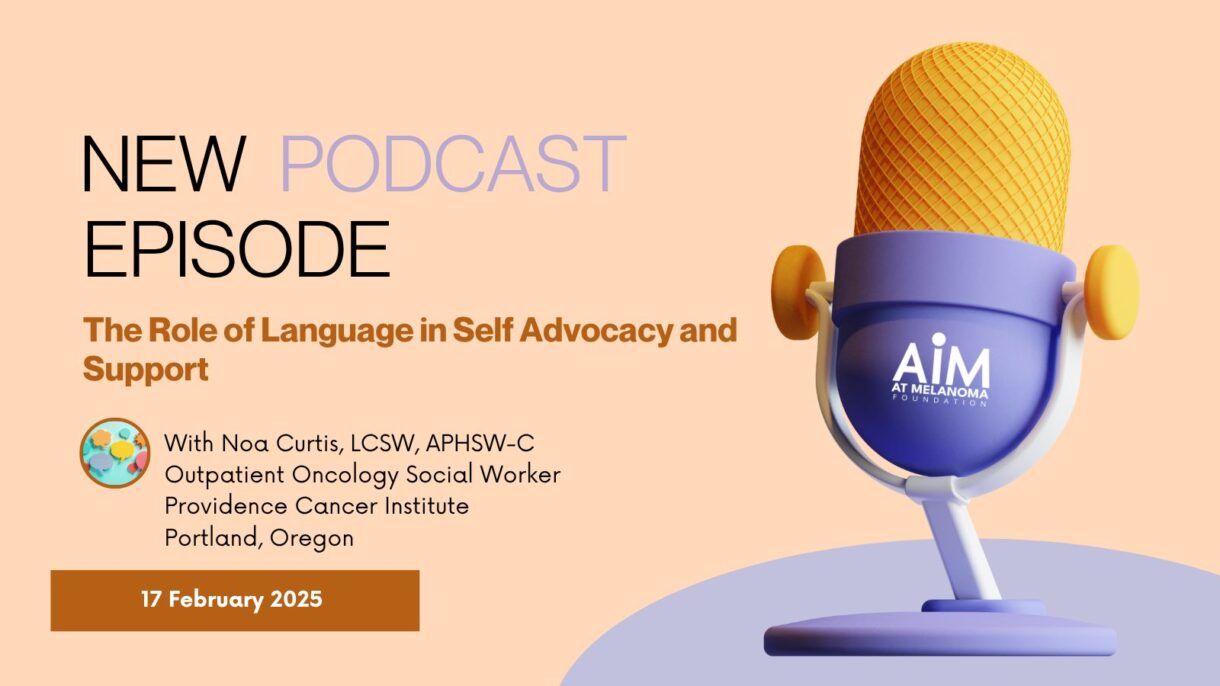
Join us for a conversation with Noa Curtis, LCSW, APHSW-C, an oncology social worker at the Providence Cancer Institute. Noa shares their insights on how language, self-advocacy, and self-compassion play a vital role in supporting cancer patients and their families from diagnosis through survivorship or end-of-life care.
Learn how social workers help patients navigate difficult transitions, make meaning in their journey, and ensure care remains patient-centered. This episode offers practical guidance and a compassionate perspective on enhancing quality of life during cancer treatment.
About Our Host
Samantha Siegel, MD
Dr. Samantha Siegel is an internist at Kaiser Permanente and the current Director of Cancer Survivorship at Kaiser San Francisco. She has survived relapsed/refractory Hodgkin’s Lymphoma, including an autologous bone marrow transplant in June 2022. This has made her passionate about cancer survivorship, integrative medicine and personal narrative impacting the illness experience. She is a public speaker advocating strongly for cancer care.
Dr. Siegel is pioneering a longitudinal cancer survivorship care model, beginning at diagnosis, that can be replicated in other healthcare systems. She is focused on elevating cancer survivorship to a distinct, multidisciplinary board certification status.
Dr. Siegel lives in Davis with her husband, three kids and energetic dog. She enjoys outdoor activities, plant-based living and any occasion to dance.
If you have questions, feedback, or topic ideas for upcoming episodes, please e-mail us at: engageus@AIMatMelanoma.org.
Recent Posts

Sep. 30, 2026
Melanoma Treatment: What Happens When It’s Time for a Different Option?

Aug. 31, 2026
Women in Melanoma: A New Chapter in Europe

Aug. 31, 2026
The Legal & Financial Side of a Diagnosis: What No One Tells You

Aug. 19, 2026
Positive Phase 3 Results for Personalized mRNA Therapy in Melanoma

Aug. 07, 2026